

Treatment abroad: South Africa
Why choose South Africa for medical tourism?
South Africa is a burgeoning destination for medical tourism, offering world-class healthcare facilities renowned for their expertise in fields such as cosmetic surgery, fertility treatments, and advanced cancer care.
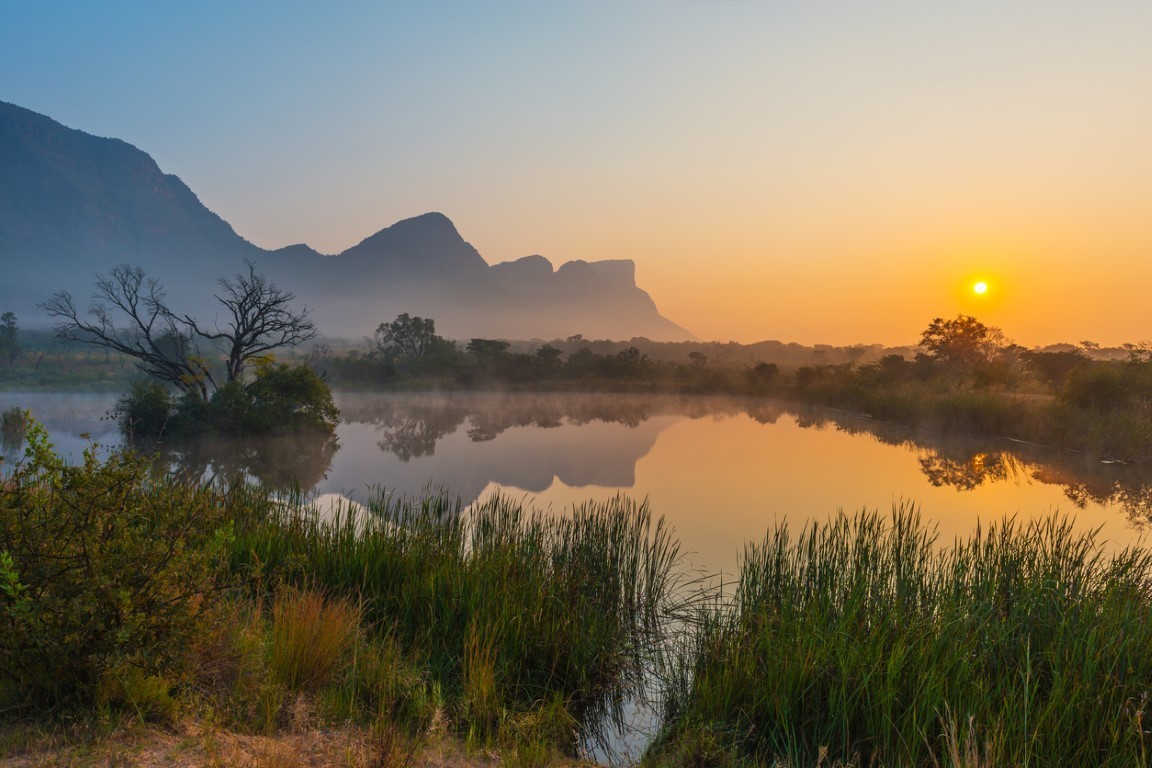
If you are interested in treatment abroad, you may consider South Africa. Surgery and treatment in South Africa is becoming an attractive proposition for those people who are on a tight budget, or who are perhaps looking to combining their surgery or treatment with a period of recuperation in a pleasant climate and an unusual location.
Why consider South Africa for elective surgery?
South Africa has been considered a world leader in medicine since the first human heart transplant was performed in Cape Town in 1967 and today the high standard of surgery in South Africa is internationally renowned.
Many of the private clinics and hospitals are located in the salubrious areas of Johannesburg, as well as in Cape Town. First class surgeons work to extremely high standards in clinics, yet offer procedures at a fraction of the cost of European and US centres. It’s not surprising then that more and more tourists are taking advantage of this and combining their elective surgery in South Africa with a holiday in this inspiring and beautiful country.
Medical tourists might choose to soak up the sun in the Western Cape or take a safari to explore Africa’s exotic wildlife and nature reserves. Cape Town is a cosmopolitan city with something for everyone; mountains, beaches, and stunning scenery. Take a hike into the mountains, a tour of the wineries, or urban lovers can simply soak up the cosmopolitan atmosphere of the city or its small country towns.
The Western Cape has a climate similar to the Mediterranean while the rest of the country gets very hot summers and cold, bright, winters. Spring and autumn are the best times to visit to enjoy the country’s very pleasant temperatures. With the option of combining top class surgeons and state-of-the-art surgical clinics with extremely attractive savings, there’s little wonder that medical tourists from all over the world are choosing to have their surgery and safari in South Africa.
Doctor accreditation and qualification for elective surgery in South Africa South African
The medical and surgical standards in South Africa are extremely high and surgeons operate in private state-of-the-art clinics where they have access to cutting edge equipment and facilities. It takes approximately 10 years of training in total before becoming a surgeon. Students study for four years to become a medical doctor then another four years to specialise in a particular field. Following this, most surgeons work for two years in a hospital as an assistant surgeon in their specialised field before being able to open their own private practice.
The Colleges of Medicine of South Africa (CMSA) incorporate medical and dental specialities within a single framework, setting a single standard accepted by all South African Medical Faculties as well as by The Health Professions Council of South Africa(HPCSA), the official statutory registering body of the Republic of South Africa.
Professional bodies
Many elective surgeons are members of the General Medical Council in the UK. Elective surgeons should be registered with reputable medical associations such as The South African Medical Association (SAMA), the representative body for medical practitioners in South Africa, the Council for Health Service Accreditation of South Africa which assists health care facilities to meet standards for patient safety and quality care and The Health Professions Council of South Africa (HPCSA), an autonomous organisation committed to promoting the health in South Africa, determining standards of professional education and training and fair standards of practice.
Elective surgery in South Africa: Travel and accommodation
Johannesburg International Airport is the major airport in South Africa. Flights from Europe are generally overnight with flying time around 12 hours from London or Amsterdam (but South African is only two hours ahead of GMT). International flights also arrive at Cape Town International Airport and Durban International Airport. Air fares tend to be at their most expensive between September and February. Airlines include Virgin Atlantic which flies to South Africa from New York via London, KLM via Amsterdam and Air France via Paris.
The journey time into the centre of town is around half an hour, by car or bus from each of the airports.
Entry into South Africa for a medical holiday is straightforward and there is no need for travellers from Commonwealth countries to formally apply for a visa. The automatic entry permit is for a stay of around 90 days (with a valid passport).
Internal travel
South Africa has a well-established transport infrastructure and a plethora of car hire providers and other transport requirements. The country borders six other Southern African countries and has rail links to Namibia, Zimbabwe, Botswana and Mozambique. South African Airways has an extensive domestic itinerary covering major cities and some of the major tourist sights such as Kruger National Park – it is advisable to pre-book for the best deal.
Alternatively, long distance coaches are a popular way of traversing the country; the main operators are Greyhound, Citiliner (tel 083 915-8000), Intercape and Translux Express. Trains are considered to be slow in comparison to Europe, but if you have no time or budgeting constraints then the scenic train journey from Cape Town to Pretoria is well worth considering while over this side of the world. The Blue Train offers luxury accommodation, delicious food and delivers excellent service as it travels through the scenic Hex River Valley. Additionally, Rovos Rail is another luxury rail journey which travels to Kruger, Durban, the Garden Route and Cape Town.
The roads in South Africa are excellent for driving, but as distances between towns are fairly long an itinerary is essential to avoid road fatigue. Another factor to be aware of, and to be on the look out for, is stray animals on the road as there are often no fences. Driving is on the left.
The currency in South Africa is the Rand (ZAR), and 100 cents make up ZAR1. 1 = approximately ZAR13.2 .
About South Africa
South Africa is a vast and diverse country, bordered to the east, north and west by the republics of Namibia, Botswana, Zimbabwe and Mozambique. South Africa means so many different things to different people. Some know it for its world-class wines, others for its spectacular wildlife. For some it’s a place of great struggle and potent history, while for others it is a place of adventure, from the thrills of Shark Alley, to the world’s highest bridge bungee jump at Bloukrans Bridge. But whatever you think you know about South Africa, you should prepare to still be surprised by this incredible country of contrasts.
South Africa is emerging from its recent troubles and isolation, and retaking its place on the world stage and it’s great to have it back. With so much to offer, this is a must visit country for every traveller. What’s more, after years in the wilderness, South Africa is delighted to welcome the world’s tourists again, and the quality of facilities and warmth of the welcome clearly shows that.
South Africa’s cities are stunning, with Cape Town, Johannesburg and Durban each offering something different, and each reflecting the colonial past and the modern future of the country. Because of its central position Johannesburg is known as the gateway to Africa. This vibrant, energetic and bustling metropolis was built on gold after the 1886 gold strike and is now the country’s largest city and the financial centre. Also worth a visit is the Soweto Township, where the anti-apartheid struggles began, leading to the birth of today’s ‘Rainbow Nation’. South Africa may be a country on the up, but there are still stark divides between the haves and have-nots, and need to be prepared to witness this almost everywhere you go.
Perhaps the best way to see South Africa is in two halves, West and East. To the West lies the famous Garden Route, a hugely popular tourist drive sandwiched between the mountains and the ocean. Here you’ll find some of the finest vineyards, with most offering tastings, tours and even accommodation for visiting wine buffs and casual drinkers alike. Mild all year round, and very tourist orientated, the Garden Route includes the Whale Coast, where you can watch these magnificent creatures from the comfort and safety of the shore.
To the East lies South Africa’s famous big game parks, such as the Kruger National Park, where you can take a safari to see the legendary Big 5 – Buffalo, Lion, Elephant, Leopard and Rhino. Thankfully these days people are only hunting for the perfect picture, but the level of excitement is just as strong. There are plenty of Jeep safaris available, or you can even explore on foot for an authentic adventure.
Whatever you have thought about South Africa, think again, because it has so much more to offer than you ever thought possible.
Clear, practical advice on costs, options, safety and how to choose. Start with the essentials, then dive deeper.
Read the guide