

Treatment abroad: Greece
Why choose Greece for medical tourism?
Greece, renowned for its ancient history and stunning landscapes, has emerged as a sought-after destination for medical tourism, offering exceptional expertise in fields such as orthopaedics, fertility treatments, and wellness retreats amidst its picturesque surroundings.
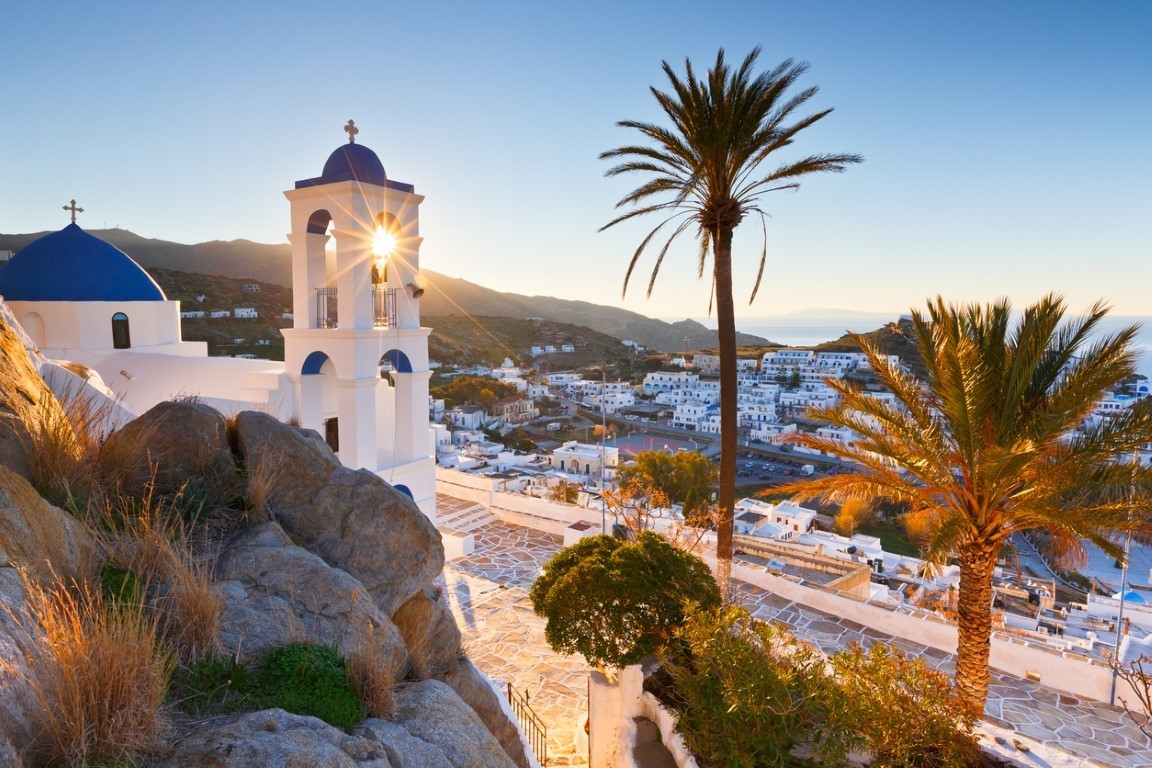
Medical tourism to Greece can offer you an excellent and less costly alternative compared to other European countries or the USA. Providers here offer their services without compromising the quality of the result and/or the medical standards and facilities.
Why consider Greece for cosmetic and plastic surgery?
With such a wealth of cultural and historical attractions, a tantalising array of beaches, bays and islands boasting tranquil blue waters there’s little wonder that Greece is one of the top tourist destinations in the world, and along with the sun-seekers it is now attracting a growing number of medical tourists who are combining a short break in Athens or a beach-style holiday with their cosmetic surgery and/or dentistry procedures.
Located in the Prefecture of Attica, Athens is the oldest city in Europe. The ancient sites are conveniently located within walking distance of Syntagma Square – the heart of the city and business and political district. Athens is home to many private cosmetic and plastic surgery clinics with state of the art equipment offering cosmetic surgery procedures at very competitive prices. Some clinics have surgery packages with prices depending on the time of year and definite savings can be made.
Many doctors and plastic surgeons in Greece have been trained in the UK or US and are board certified by EU official bodies so medical tourists can take advantage of the surgery from internationally accredited healthcare professionals then enjoy a recuperative break in beautiful surroundings. The port of Piraeus, next to Athens, is the busiest port in Greece and from here visitors can connect with daily services to islands such as Rhodes, Corfu and Crete.
Before or after treatment medical tourists can visit the famous Acropolis, probably the single most important monument in the Western world, and the Parthenon; the monument which epitomises the glory of Greece, which is built almost entirely from marble. During your visit you can also sample some typical Greek cuisine such as Tzatziki, Souvlaki or Moussaka washed down with a glass of Ouzo in one of the atmospheric restaurants with fabulous views of the Parthenon, or take a wander around the winding streets of Plaka and shop in trendy boutiques in Kolonaki Square.
Greek is the official language but in major cities and tourist areas English is widely spoken. Spring and autumn are the best times to visit as the high season is between mid-June until the end of August and flights are more expensive. The Mediterranean climate is limited to the coastal areas and the rest of Greece has a more continental climate, with hot muggy summers and very cold winters. Most Athenians head out of the city to escape the heat in August, when temperatures can soar up beyond 40 degrees Celsius.
Reasons to choose Greece
Popular tourist destination with great beaches and resorts
Private cosmetic and plastic surgery clinics with state of the art equipment
Low costs compared to most of Europe and US
Many doctors and plastic surgeons are trained in the UK or US
Year round Mediterranean sunshine
Athens is packed with historic sights
Cosmetic surgeons in Greece : Accreditation and qualifications
Many of the cosmetic surgeons receive their training in the UK and are listed on the UK’sSpecialist Registerheld by theGeneral Medical Counciland registered with theBritish Association of Plastic Reconstructive and Aesthetic Surgeons(BAPRAS). Some cosmetic surgeons train and qualify in the US where they become members of theAmerican Society of Plastic Surgeons(ASPS) and theInternational Society of Aesthetic Plastic Surgery(ISAPS).
In Greece, surgeons should be registered with theHellenic Society of Plastic, Reconstructive and Aesthetic Surgeryand they may be members of other organizations such asEuropean Association of Plastic Surgeons(EURAPS) and theInternational Confederation of Plastic, Reconstructive and Aesthetic Surgery(IPRAS). Other professional bodies include theFederation of the European Societies for Surgery of the Hand(FESSH), theHellenic Society for Reconstructive Microsurgery, the Hellenic Society of Hand Surgery, the Hellenic Melanoma Study Society, the Hellenic Trauma Society and the Hellenic Senologic (breast diseases) Society.
Travel and accommodation in Greece
Greece has 16 international airports, many of which have been modernised in recent years. The main international airport isEleftherios Venizelos, a state of the art building located 27 kilometers (17 miles) southeast of Athens and considered to be an important milestone in the improvement of air travel in Greece.Eleftherios Venizelosis easily accessible by taxi, bus or metro and is a 20 minute drive by car to/from the city centre.
Taking a taxi is the most convenient way to get from the airport to the centre of Athens and taxi drivers are required by law to use their meter. Bus X95 operates from the airport to Syntagma (centre of town) every 30 minutes, 24 hours a day with a journey time of around one hour depending on the traffic. Bus X94 operates between the airport and Metro Line 3 at Ethniki Amyna every 10 minutes between 7.30am and 11.30pm, with a journey time of 25 minutes. Equally, the Metro operates an efficient airport service from Monastiraki with connections at Line 3 and trains depart every 30 minutes.
Road travel from mainland Europe and from the UK via Eurostar is possible, but the journey is lengthy. Consider the return journey seeing the sights of Europe may be a joy on the way there but if you have had surgery, you may want to opt to fly home.
Travelling around the country
A total of 25 airports handle domestic flights in Greece mainly operated byOlympic AirlinesandAegean Airlines, with extra flights during the summer months and Greece is a relatively easy country to travel around. Following the Olympic Games in Athens thepublic transport systemwas modernised and improved to offer residents and visitors faster and more reliable services. The rail network in Greece is around 2,500 km long and is run by theHellenic Railways Organisation. Though it is of a good standard, the railway is limited to just two main lines with intercity trains to central and northern Greece and links with central Europe and Turkey on Intercity (express or regular) and regular trains (high-speed rail).
Athens’ port, Piraeus, is the busiest port in Greece and there are daily services to the islands from here. Athens has two main intercity bus terminals; Terminal A is for Peloponnese, the Ionians and western Greece and Terminal B is for central and northern Greece, and Evia. Local buses serve the smaller villages across Greece. The Metro in Athens has three lines; Line 1 is the old Athens-Piraeus electric rail service known as ISAP, while Lines 2 and 3 are underground. TheAthens Tramlinks the centre of Athens (Syntagma Square) with the coastal suburbs in the south and the Suburban Railway (Proastiakos) accommodates travel to/from Athens and toAthens International Airport(Eleftherios Venizelos).
Driving in Greece
Having a car at your disposal in mainland Greece is a great way to see the country, not least because the roads are now dramatically improved and getting in and out of Athens is not the trauma it used to be! However, parking is still a bit challenging and Athens is notoriously congested but those brave enough to take to the roads can find the usual international car rental companies at the airport, or in major cities and tourist areas. All the major car rental agencies like Hertz, Avis, Budget, Europcar, National, Thrifty are available in Athens but there are also a number of small family run rent-a-car companies. Ensure that the agency is licensed with the Greek National Tourist Organisation.
A number of big transportation projects have been implemented in and around Attica and the main highways are greatly improved. TheAttiki Odosis a new cutting-edge motorway linking the town of Elefsina (in western Attica) toAthens International Airport, (Eleftherios Venizelos) circumventing Athens with 27 main and secondary interchanges for entrance and exit into/from the capital. Toll fares depend on the vehicle’s height axes. Driving is on the right and traffic signs are in Greek and English.
Greek taxis are very cheap by European standards and all licensed taxis are yellow in colour and run by meter. The driver is obliged by law to activate the meter upon hire, but some taxi drivers try to get away with not using the meter, in which case it is advisable to select another taxi. In case of a dispute make a note of the taxi’s number plates or call the police. Be aware that taxis charge an airport surcharge and toll for the toll road between the city and the airport these should not add up to more than a few Euro.
Accommodation is plentiful and good value. The currency in Greece is the Euro.
About Greece
Don’t let the recent economic troubles put you off Greece as a destination; the country has stood for four thousand years and survived far worse troubles than their current situation. If you have any doubt about the longevity of this ancient society, just look around any Greek city or island and you will see the wealth of history and tradition that surrounds you.
Greece is situated in south east Europe and is bordered by Bulgaria, the former Yugoslav Republics of Macedonia and Albania to the north and Turkey to the east. The Aegean Sea lies to the east of mainland Greece, and the Ionian Sea to the west with the stunning Greek Islands in the Mediterranean basin. It is a surprisingly diverse country with mountains, caves and rainforests and steaming hot summers that contrast with snowy winters.
Greece attracts as many visitors every year as it has citizens, with ten million of us choosing the country as our holiday destination. Although with over 9,000 miles of coastline (the tenth longest in the world) and 3,000 islands to choose from, it never feels too crowded. What’s more, Greece has almost 400 Blue Flag beaches, placing it second best in the world and giving you plenty of choice for safe sun worshipping.
140 of the Greek islands are inhabited, with famous destinations such as Kos, Corfu and Crete, alongside historic islands steeped in legend, such as Mykonos, Pharos and Rhodes, the legendary home of the Colossus. Some are known for their party atmosphere, and some as friendly family destinations, while others are quiet islands that are hidden gems just waiting to be discovered by the more adventurous traveller.
The capital, Athens, is a must for any Greek odyssey, with the iconic Pathenon (or Acropolis) towering over the city, and a whole host of other spectacular sites close by, enough to satisfy the most ardent culture vulture. And if you do want more, there’s still the Temple of Apollo at Bassae, the ancient city of Rhodes and so much more waiting to be explored.
Inland, Greece has spectacular mountains to hike and climb, with a warm welcome awaiting you when you come down. Every village has a taverna or two serving exquisite mezes, washed down with plenty of quality Greek wines and the obligatory Ouzo to end the night.
Greece has a seven month summer, with sunshine almost every day, which perhaps explains the laid back way of life. It also has an excellent diet, rich in olive oil and fresh tomatoes, which adds to the feeling of wellbeing. And when the Greeks do feel off their best, they have no less than 850 therapeutic spas to choose from, as healing waters bubble from the ground all over the country.
Whatever Greece’s economic woes, ten million visitors a year just keep coming for everything that this very special country has to offer.
Clear, practical advice on costs, options, safety and how to choose. Start with the essentials, then dive deeper.
Read the guideFeatured Providers in Greece
Rehabilitation clinic
Europe, Greece

Infertility clinic
Europe, Greece