

Treatment abroad: Tunisia
Why choose Tunisia for medical tourism?
Tunisia, a North African destination for medical tourism, offers high-quality healthcare services with notable expertise in fields such as cosmetic surgery, fertility treatments, and wellness retreats, making it an attractive option for those seeking affordable and specialised medical care abroad.
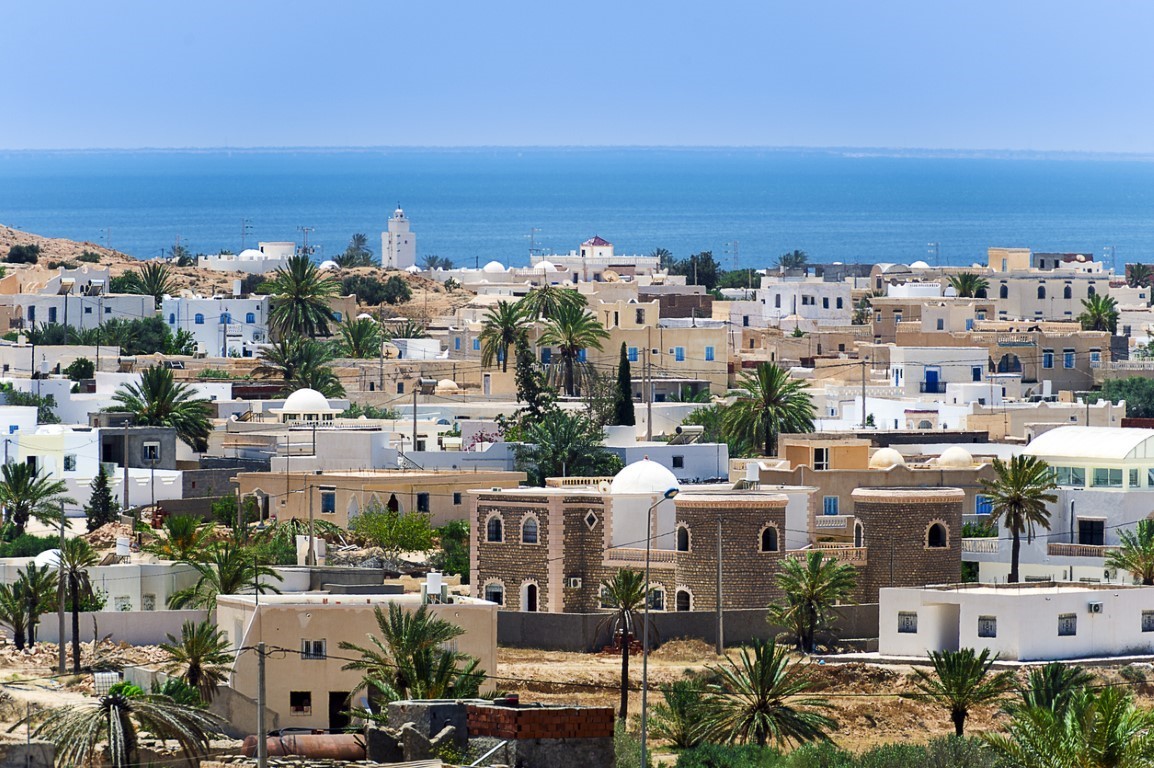
Tunisia is growing in popularity as a destination for cosmetic surgery abroad. The climate is good, prices are extremely competitive and the standard of medical care is high.
Why consider Tunisia for cosmetic surgery?
Tunisia is one of the most sophisticated, relaxed and tolerant states in North Africa and in terms of medical expertise it has a high standard of healthcare and an excellent reputation for cosmetic surgery.
Cosmetic and plastic surgeons are regulated by the Tunisian Ministry of Health and the private clinics have state of the art equipment and English speaking staff. The combination of a large investment in training and equipment in the public and private health sector as well as a standard of living lower than much of Europe gives Tunisian medicine a competitive edge and the cost of cosmetic surgery and treatment is extremely competitive. The cost for Rhinoplasty (Nose reshaping surgery) in a private hospital in Tunisia is 1,700. A face lift typically starts at 2,500. Some companies offer all inclusive cosmetic surgery packages to Tunisia which makes the process even easier.
Tunis is the capital and is the political and administrative centre where a large part of business activity is focused and many of the private clinics are located. Enjoy a cultural wander around the Medina quarter, the walled city centre containing many narrow maze-like streets where craftsmen trade their wares and historical fountains, palaces and mosques abound. Beach lovers can hit the beaches in Gammarth, which is just a 25 minute journey from central Tunis and history buffs can visit the ancient city of Carthage with its Phoenician graves and Roman ruins including baths, temples and shrines.
Arabic is the official language in Tunisia, but French is widely spoken and English is also spoken in tourist areas. The climate of northern Tunisia is typically Mediterranean with hot, dry summers and mild winters but it gets even hotter in the south, with temperatures reaching 45 degrees Celsius and more. The best time to visit is the autumn when the summer tourists have departed so it is less busy. The winter climate is very pleasant, with around five to six hours of sunshine a day and temperatures between 18 and 20 degrees Celsius.
The currency in Tunisia is the Tunisian Dinar. TND 1 is 0.45.
Reasons to choose Tunisia
Very competitive prices compared to nearby Europe
Many doctors and surgeons train in France or the US
Well funded healthcare tourism sector
Easy to reach with short, low cost flights
Packed with history and ancient sites
Fascinating to explore the traditional towns
Accreditation and qualification of cosmetic surgeons and doctors in Tunisia
To become a cosmetic surgeon in Tunisia students must first complete the standard medical studies which lasts seven years. Following this, doctors then specialise in cosmetic surgery which takes a further four years of study. Many Tunisian doctors train for this speciality in France or the USA. Altogether the total study time is 11 years.
Tunisia has a developed healthcare system. All public and private healthcare institutions are very strictly monitored by the Ministry of Health and the medical standards are equivalent to anywhere in Europe. All doctors, including cosmetic surgeons, must belong to the Tunisian Medical Council (Conseil national de l’Ordre des Mdecins de Tunisie) and only qualified surgeons who register with the council can perform surgery.
Other professional organisations for membership include the Socit Tunisienne de Mdecine Esthtique (STME) and the International Society of Aesthetic Plastic Surgery (ISAPS).
Cosmetic surgery in Tunisia: Travel and accommodation
Tunis Carthage International Airport is located eight km from the centre of Tunis. The best way to get from the airport to the centre of town is by yellow taxi. Although there are buses from the airport to the centre of town they can be unreliable but the NY-style taxis are plentiful and charged by the meter. The taxi journey will cost approximately 6 Dinar (under £3) and traffic permitting takes around 20 minutes.
Tunisia has six other airports that are served mostly by charter airlines, for example, Thomas Cook flies into Djerba, My Travel, Britania Airways, First Choice, Excel Airways, Thomas Cook, Airlines Astraeus and East Line Airlines fly to Monastir while the other four airports in Tunisia, namely Sfax, Tabarka, Gafsa and Tozeur are offer flights to and from various international locations.
To get around the country Tunis Air operates from Tunis to Djerba, Tozeur and Sfax. Alternatively, towns and cities are linked by a reliable, good value rail service and timetables can be obtained from any main train station. If you’re staying for a week or two it’s a good idea to buy a weekly rail card which allows unlimited travel on all routes as well as entry into museums and monuments. These can be bought from mainline train stations with two-passport photographs and cost approximately 20.
An electric train network operates in Tunis. This runs between the city centre and the suburbs of La Marsa, La Goulette, Carthage and Sidi Bou Said, and a tram service operates in the city centre. To get about town the Louage taxi (a shared taxi which goes to a fixed destination and leaves when full), is the local mode de transport. The louages connect all towns and villages and tour companies offer excursions, but in resorts such as Djerba the best option is hiring a bicycle because the island is flat and you can take in the atmosphere much better. Local buses are good value and available over most of the country, as are taxis which are mostly run by meter.
The usual international car hire services such as Avis and Budget, are available from the airport and major cities and driving is on the right.
The time zone in Tunisia is GMT + 1 and European citizens do not need visas, just their passport to enter Tunisia.
About Tunisia
Tunisia is situated on the Mediterranean coast of North Africa bordering Algeria to the West and Libya to the South East and boasts 700 miles of golden sandy beaches, the mysterious Sahara desert (which covers nearly half the country) and a fascinating ancient history. With its strategic position as a bridge between Europe and Africa, Tunisia is no stranger to turbulent times, with the Phoenicians, Romans, Ottomans, Spanish and French all occupying the country at one time or other.
So it is no surprise that Tunisia was at the forefront of the Arab Spring of 2011. However, unlike many countries in the region, including neighbouring Libya, Tunisia’s was a bloodless change, known as the Jasmine Revolution. Since then, it has been business as usual in Tunisia, welcoming tourists to its 3,000 years of history in an atmosphere of safety and security.
Tunisia is undeniably ancient, from the once great city of Carthage, to the countless Roman ruins, with over 26,000 listed historical sites, many immaculately preserved by the dry climate and the desert sands. The country’s stunning Roman theatres and circuses, streets and homes represent some of the finest examples of the period anywhere in the world. The different influences of the invading armies have all left their mark on Tunisia, from the remarkable architecture of spectacular Roman amphitheatres to the unique mix of herbs and spices in its exotic cuisine.
Two well known holiday resorts in Tunisia are Hammamet and Djerba. Hammamet is a sophisticated resort town with olive, orange and lemon groves, rows of cypress trees, a beautiful sandy beach and a 13th century Kasbah overlooking the Medina. Thalassotherapy is very popular in Tunisia so visitors can enjoy the medical and relaxing benefits of the healing spas in Hammamet with hot sea water and massage treatments or some water sports such as scuba diving in the clear blue sea.
White washed villages, the clear blue sky and a warm climate makes Djerba an intoxicating island resort off the south coast full of date palms and fields of figs, grapes, oranges and pomegranates. Must-sees include the Museum of Folklore and Popular Art with traditional costumes and jewellery and the historic fortress of Borj el-Kebir, a 15th century Arab citadel as well as browsing in the Houmt-Souk (the market centre) watching the African ‘Gougou’ dancers (a local tradition) in the Midoun and indulging in one the country’s most celebrated Couscous dishes.
Beyond the ancient cities, the timeless deserts are older still, and it can be a remarkably spiritual adventure to trek off into the vast rolling dunes on the back of a camel, just like traders and travelers have been doing for millennia. You can trek for days, camping in the traditional style, or just for an afternoon, to get a flavour of the old ways.
Even in the towns and cities, history and tradition are still all around, with the Medinas, Kasbahs and Souks much the same today as they’ve always been. Grab a bargain in rich textiles, intricate leather work and precious metals, and don’t forget to haggle for the best price because that’s half the fun. After your shopping trip, treat yourself to the finest of North African food, featuring richly spiced lamb and succulent fruits in exotic stews, accompanied by the signature dish of couscous. Then retire to a pavement caf and watch the world go by as you enjoy a traditional shisha pipe or a coffee with the locals.
Welcoming strangers is a tradition in Tunisia, and there’s nothing they enjoy more than sharing their culture with visitors. So dive in and enjoy this heady mix and discover what has made Tunisia so popular for over 3,000 years.
Clear, practical advice on costs, options, safety and how to choose. Start with the essentials, then dive deeper.
Read the guide