
Treatment abroad: Slovenia
Why choose Slovenia for medical tourism?
Slovenia, nestled in the heart of Europe, offers a unique blend of high-quality healthcare services, renowned for its expertise in fields such as spa and wellness treatments, orthopaedic surgeries, and dental care, making it an attractive destination for medical tourism.
Slovenia is an emerging destination for those looking for excellence in treatment abroad at a very affordable price, even if an extensive or complex procedure is required.
Why consider Slovenia?
Slovenia provides the ideal environment for medical tourism, with warm, Mediterranean summers, friendly, welcoming people and stunning countryside. It’s the perfect place to take the stress away from your surgery and leave you feeling refreshed and revitalized.
The country is readily accessible from elsewhere in Europe or from international locations. Once there, you’ll find it easy to get around, with hundreds of miles of brand new highways built over the last decade and an excellent rail network.
While Slovenia is certainly a country on the up, its development is being carefully planned, with a green agenda dedicated to preserving the incredible beauty and natural diversity of the landscape. The Slovenian landscape, from Alpine mountains to ancient forests, has much to offer its visitors and they are determined to keep it that way. If you can take the time, before or after your treatment to explore a little of this extraordinary country, and you will find yourself enriched by the fine food and wine, breathtaking views and hospitable people of this young, yet ancient land.
You’ll also find your finances enriched too, with significant savings on treatments compared to other European and US centres. The Slovenian Association of Medical Tourism works on the simple principle of maintaining high levels of service at competitive prices. This has succeeded in steadily building their reputation across Europe over the last few years. And it’s a strategy that works, with around 33,000 people visiting Slovenia for treatment each year, spending an average of 1,100 Euros. Orthopaedic surgery is a popular option with knee and hip replacements readily available and people also come here for all types of cosmetic surgery and cosmetic dentistry.
One medical tourist requiring a full mouth restoration from a cosmetic dentist, saved over €10,000 compared to the cost of private treatment in his own country, and most patients save up to 60% of their treatment costs. Combine this with simple, affordable travel, stunning locations, modern infrastructure, friendly people and a culture of wellness, and Slovenia is sure to score highly whatever treatment you are considering.
Reasons to choose Slovenia
Emerging healthcare tourism destination
Heavy investment into facilities and equipment
Positive, holistic approach to healthcare
Specialists in dental, orthopaedic and cosmetic surgery
Excellent road and rail transport across the country
Easy and cheap to reach from within Europe
The healthcare system in Slovenia
The Slovenian healthcare system is funded by compulsory health insurance paid for by employers and employees. However, not all healthcare costs are covered by the insurance, with only some conditions and children’s healthcare fully funded. To support the system, almost all Slovenes also pay voluntary contributions.
This system of funding means that Slovenia enjoys clean, modern healthcare facilities on a par with the rest of Europe, with well equipped clinics shared equally between state and private practitioners and staff trained to the highest international standards. If you decide to travel to Slovenia for orthopaedic surgery, cosmetic dentistry or any type of cosmetic surgery procedure, you will find the facilities available here very impressive.
Overall, Slovenia spends a large proportion of its Gross Domestic Product (GDP) on healthcare and as a result has a good proportion of healthcare beds and doctors per 1000 residents. Life expectancy in Slovenia is slightly higher than the EU average. Women can expect to live to 80.1 years and Men 73.1 years. Like elsewhere in Europe, this means that the aging population in Slovenia is growing, and this, combined with low birth rates, is placing a demographic burden on the system.
Slovenia has a very positive approach to healthcare, with overall wellbeing treated with equal importance to general health. Slovenia is a very health conscious country, with 15 certified natural health resorts that combine traditional and alternative therapies, with the latest in modern medical procedures. This means that you are likely to be will be given a complete and holistic package of treatment if you decide to be a medical tourist in Slovenia, making the whole experience more enjoyable and rejuvenating.
Transport and accommodation in Slovenia
Although small, tucked away and largely unknown, Slovenia is actually readily accessible with regular flights and trains and an extensive, modern road network.
The main airport in Ljubljana Joe Punik, which has regular flights daily to and from major cities across Europe and to and from worldwide destinations. Smaller international airports are Portoro Airport and Maribor Edvard Rusjan Airport.
Slovenia’s rail network is not only extensive throughout the country, but is also well connected to its neighbours. Having been formerly part of Yugoslavia, and before that the Austro-Hungarian Empire, Slovenian connections do not stop at relatively new borders.
Slovenia’s roads are especially good, benefiting from a major building programme a few years ago. There are two major road types fast roads, with a 100km/h speed limit and motorways, with a 130km/h limit. To drive on the motorway, you are required to display a sticker or Vignette, which are readily available. There are heavy fines for failure to comply so do ensure your Vignette is clearly displayed at all times.
Other important driving rules to be aware of include the compulsory use of dipped headlights at all times and a list of compulsory equipment, including a spare set of lights. Cars must also be fitted with snow tyres between 15th November and 15th March or must carry snow chains. As with most European countries, there is little tolerance of driving under the influence of alcohol, and since Slovenian police can also exercise discretion in stopping you driving even if you are below the legal limit, alcohol is best avoided altogether by drivers.
Accommodation in Slovenia is generally of a good standard, with many three and four star hotels offering comfortable accommodation. There are also a handful of five star hotels, although these are harder to find. The spa resorts are the best developed, with the highest standards of accommodation, including luxury villas and chalets.
Out in the countryside, you will find many delightful cottages and chalets to rent that put you right in the heart of the stunning landscape. The Slovenian Tourist Board, at www.slovenia.info is the best place to start your search.
About Slovenia
Squeezed in between Austria, Italy, Croatia and Hungary, Slovenia is one of Europe’s best kept secrets, packing a huge range of landscapes and climates into a relatively tiny landmass. From the Alps in the north to the Mediterranean coast to the south, from massive, ancient forests to open fertile plains, Slovenia is a country of incredible contrasts. It is also one of Europe’s least populous countries, with just 2 million residents sharing the invigorating open spaces and thriving cultural cities.
Natural beauty abounds in Slovenia, with over 300 waterfalls and 8,000 spectacular caves, including the popular Postojna Cave and kocjan Caves, which is a UNESCO World Heritage Site. More than half of the country is covered with forest, and this, combined with the winter sports opportunities of the Alps, makes Slovenia the ideal destination for an outdoor, active break. Hiking, horse riding and cycling are all popular ways of exploring this stunning landscape, but beware – Slovenia has one of the largest brown bear populations in Europe. In fact, according to the Slovenia Tourist Board, although Slovenia occupies less than 0.004% of the Earth’s total landmass, it is home to 2% of all land creatures, with over 24,000 different species inhabiting the country.
For the less energetic, the country is famed for its many natural spas, in the north east of the country and along the short Adriatic coast, offering a wide variety of relaxing treatments to enhance both body and soul. This ‘spa-culture’ reflects the country’s overall approach to health and wellbeing, which tends to be more pro-active and more holistic than the Western European way. This makes it an attractive destination for medical tourists who want to travel abroad for a hip or knee replacement, cosmetic surgery or cosmetic dentistry.
Slovenia is one of the newest countries in Europe, having declared independence from the former Yugoslavia in 1991. It joined the European Union in 2004 and adopted the Euro in 1997. Despite this, the country is rich in history and tradition, with many delightful medieval towns and castles dotted across the landscape reflecting the many different conquering armies that have claimed the land down the centuries.
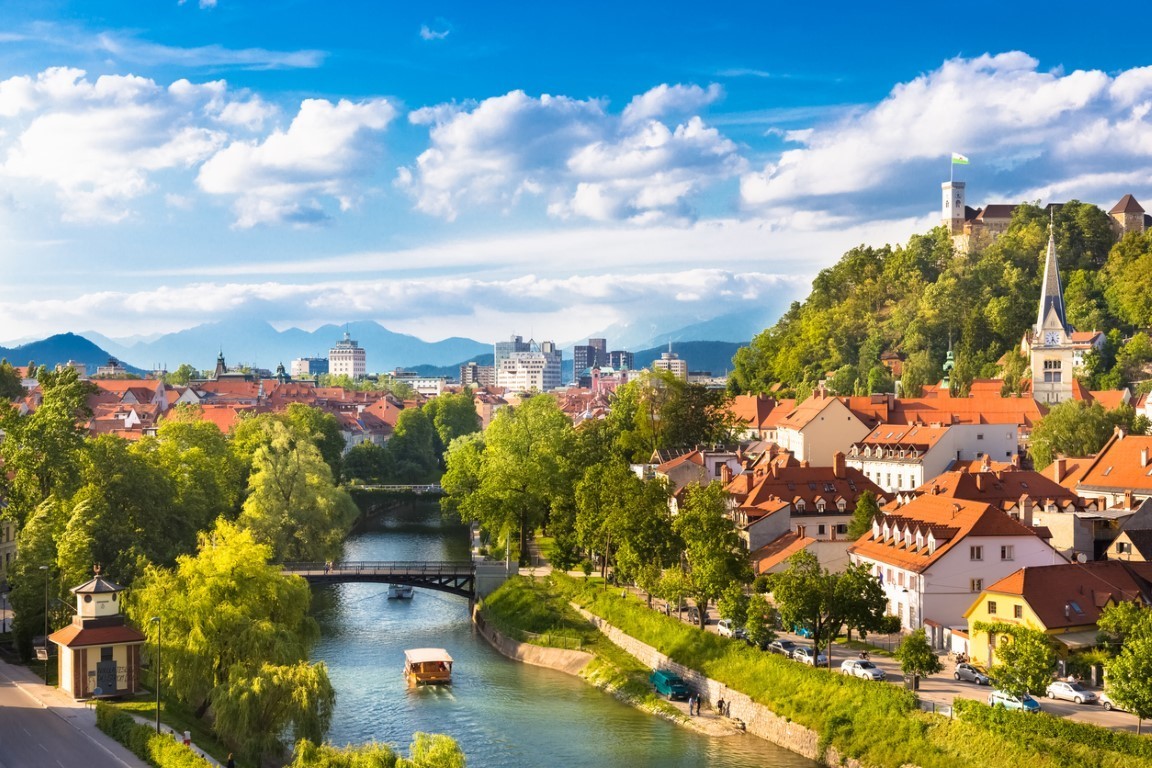
The capital Ljubljana mixes the history of breathtaking Baroque and Viennese architecture, with a modern, European feel, kept young and vibrant by the large student population who create a lively nightlife. Here, as across the country, you’ll find excellent standards of locally produced food and wine, served by friendly, hospitable locals, many of whom count English as their second language. Ljubljana boasts a rich mix festivals, concerts and cultural events throughout the year.
Clear, practical advice on costs, options, safety and how to choose. Start with the essentials, then dive deeper.
Read the guide