

Treatment abroad: Malaysia
Why choose Malaysia for medical tourism?
Malaysia, renowned for its advanced medical facilities and skilled healthcare professionals, offers a diverse range of specialties including cardiology, oncology, and orthopaedics, making it an attractive destination for medical tourists seeking high-quality care at competitive prices.
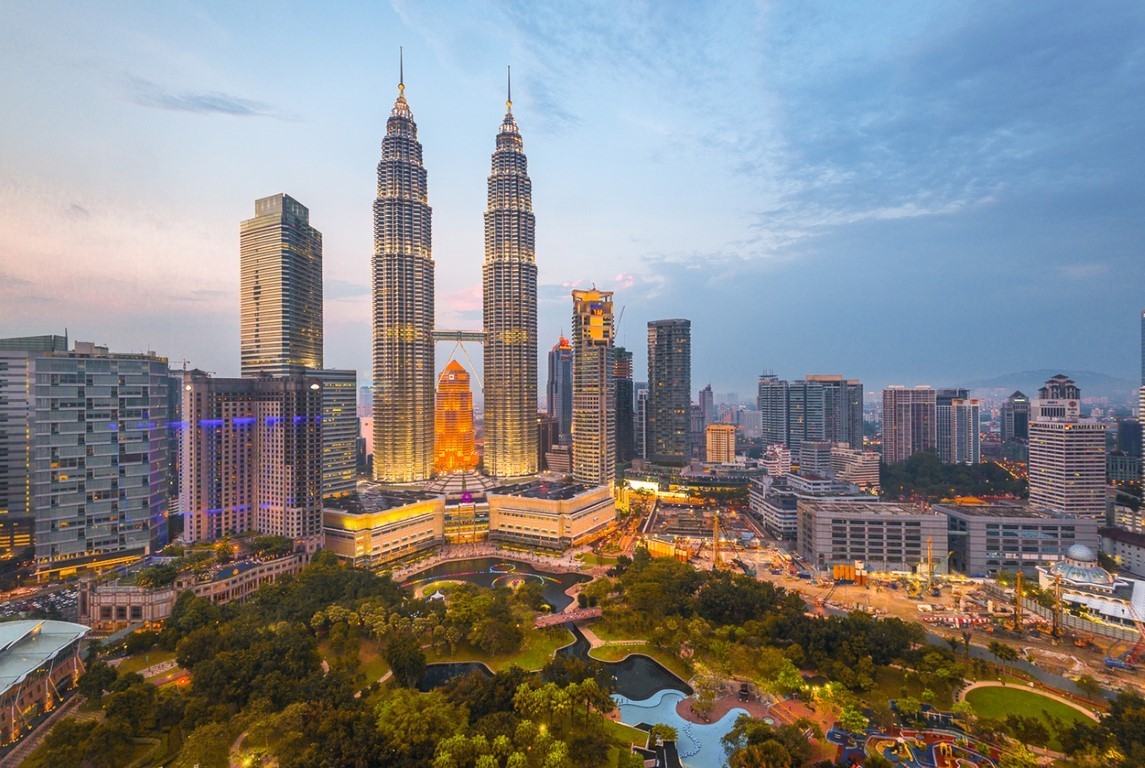
With sophisticated, government-regulated healthcare for tourists, Malaysia is growing in reputation as a preferred destination for international patients, now featuring in the top five of global medical tourism destinations.
Medical tourism in Malaysia is promoted and regulated by the Malaysia Healthcare Travel Council (MHTC), a well funded and resourced government organisation that works closely with the Association of Private Hospitals of Malaysia to offer high quality medical treatment at prices that must, by law, match those charged to domestic patients. Hospitals registered by the MHTC are required to meet stringent standards set by the Malaysian Society for Quality in Health, which is itself recognised by the International Society for Quality in Healthcare (ISQua), ensuring the highest possible standards of safety and quality of care.
The Malaysian healthcare system is a modern, world-class service meeting all international standards. Many of its specialists are trained in Australia, New Zealand, the UK and the USA, and the hospitals are fully equipped with the latest state-of-the-art technology. Pricing is highly competitive and affordable. As befits a former British Colony, English is widely spoken throughout the country and western visitors feel at home with the infrastructure and governmental processes. An exciting array of leisure activities and sightseeing opportunities make Malaysia an attractive destination for medical tourism.
The MHTC is designed to act as a ‘one-stop’ referral point for travellers seeking healthcare in Malaysia, providing detailed information and advice via their website and dedicated call centre, MHTC Careline. A medical tourism concierge service and lounge at Kuala Lumpur airport ensures that all health tourists arriving in the country are fully supported and cared for, guaranteeing a seamless and stress-free experience.
Why consider Malaysia for cosmetic surgery?
In the heart of Southeast Asia Peninsular Malaysia is located south of Thailand, Cambodia and Vietnam and is north of Singapore, with Sabah and Sarawak bordering Indonesia. With picture perfect beaches, more than a thousand islands (38 of which are designated marine parks), lush vegetation, jungles, mountains and rainforests Malaysia is an increasingly popular destination and known predominantly for its beautiful scenery. There are always plenty of festivals taking place, stunning architecture to marvel at, and with a tropical climate throughout the year of warm days and mild evenings, whatever the season, Malaysia is a definite consideration for the medical tourist seeking affordable, quality cosmetic surgery abroad.
With a curious mix of ancient and modern, Malaysia’s vibrant capital, Kuala Lumpur, is a very popular long-haul stop over for visitors on their way to Australia or New Zealand. Most of the sights are accessible by foot, or you can take a taxi or travel on the Monorail or the KTM. Many travellers take advantage of the fantastic shopping opportunities with the enormous array of retail outlets and the favourable exchange rate (around seven Malaysia Ringgits to £1). Medical tourists will be seriously seduced by a selection of cut price designer labels, cosmetics, toys, music, photography and electrical goods available in the newly developed ‘Golden Triangle’, a fashionable commercial and retail district on the east side of Kuala Lumpur.
Other shopping malls include Sungei Wang, Lot 10 and KL Plaza on Jalan Bukit Bintang and for those who enjoy a bit of bartering and haggling the night market in Chinatown’s Petaling Street is the place to be. Kuala Lumpur is also a fascinating city to visit for cultural reasons, as well as for tasting the local cuisine which has Indian, Malay and Chinese influences. Head to the Petronos Towers (the tallest building in the world) for fabulous panoramic views of the city. Alternatively, go further a field to some of Malaysia’s sweeping white sandy coastlines and sophisticated beach resorts like Langkawi in the west and Terengganu in the east, or visit the historical cities in the former colonies such as Malacca and the island of Penang.
Malaysia has an excellent medical reputation and attracts visitors from around the globe for the high standards of cosmetic surgery which costs a fraction of the price in the UK. Medical specialists are highly qualified professionals with extensive qualifications more often gained in the UK, Australia or the US and surgeons work in state-of-the-art, well-equipped and well-staffed private medical centres, many of which are ISO 9001 accredited (the international standard for quality assurance).
The official language in Malaysia is Malay, but the medical staff speaks good English. Costs are extremely competitive – breast enlargement for example costs around £2,110 in Malaysia, which is half the price in the UK where it costs between £3,500 and £5,000. A full facelift including upper and lower eye lid lift, brow lift and neck lift costs around £2,900 in Malaysia compared with the UK where the face lift alone can cost between £4,000 and £6,000.
Kuala Lumpur is a good city to visit at any time of the year and is protected from the monsoon by the central mountain range. The monsoon season is from May to September but the east coast has a rainy season between November and February. The peak seasons in the west of Malaysia are between December and February then between July and September. On the east coast, the high season is between July and September.
Reasons to choose Malaysia
Sophisticated healthcare tourism market
Top class facilities and equipment
Treatment costs remarkably low
Superb location for a treatment break
Welcome is a way of life for Malaysians
World class beaches and resorts
Accreditation and Training of Surgeons and Doctors in Malaysia
The majority of private surgeons and dentists working in Malaysia train and qualify in the UK, Australia or the US. The training in Malaysia is equivalent to the British system so surgeons must firstly qualify in medicine, then surgery, before going on to post graduate training to receive a qualification as a Plastic and Reconstructive surgeon.
Cosmetic surgeons need to be members of the Malaysian Association of Surgeons and the Malaysian Association of Plastic Surgeons. Most private hospitals in the country have internationally recognised quality standards such as the MS ISO9002 or are accreditation by the Malaysian Medical Society for Quality of Health (MSQH). All private medical centres must be approved and licensed by the Malaysian Ministry of Health.
Travel and accommodation costs for cosmetic surgery in Malaysia
Malaysia has international airports at Penang, Langkawi, Johor Bahru, Kuching, Kota Kinabalu and Labuan but the main international airport is the Kuala Lumpur International Airport (KLIA) at Sepang, in the state of Selangor. The rest of the country including Sabah, Sarawak and the Federal Territory of Labuan in East Malaysia is served by 14 domestic airports and airstrips. KLIA is located about 80km from the centre of Kuala Lumpur and is a state-of the-art airport featuring automated shuttle system linking the satellite building (where passengers disembark), to the airport terminal building where immigration and customs takes place, with a connection time of just two minutes.
Car rental, bus, coach, taxi, limousine and rail services into Kuala Lumpur and neighbouring towns are available at the airport. The limousine taxi service (for which a fixed price journey coupon must be bought in advance) takes around one hour into the centre of town and there are two rates; RM67 for the budget taxi and RM92 for the premier car. There are two train services running between the airport and Kuala Lumpur; the KLIA Expres and the KLIA Transit. KLIA Expres trains depart every 15 minutes in peak hours, and every 20 minutes in off peak periods (between 9am and 4pm and from 10pm to midnight). The journey time to Kuala Lumpur Sentral station is less than half an hour and tickets cost around RM35. The last Expres train leaves KL Sentral and KLIA at 12.00 midnight. The KLIA Transit trains depart every 30 minutes, the last train from KLIA is at 1am and the last train from KL Sentral at 00.03 hrs. Additionally, the Airport Express Coach departs KLIA every hour from 5am to 10.30pm to Jalan Duta and costs RM20 per person.
By road, visitors may travel via the ELITE highway or the North-South Expressway. The North-South Expressway also links the main towns on the west coast of Peninsular Malaysia, and Malaysia can be reached by road from Thailand and Singapore. Malaysia Airlines (MAS) and Singapore Airlines run shuttle services between Kuala Lumpur and Singapore every half hour.
There are over 45 international airlines flying into Malaysia from all over the world and Malaysia Airlines (MAS) has a global network which spans six continents. Malaysia Airlines flies directly to Kuala Lumpur, Penang and Langkawi from London Heathrow and Manchester. A return fare will cost around £692 inclusive. To get the lowest airfares it is advisable to travel in the low season and during the week if at all possible.
The modernisation of Malaysia has made travel within the country much easier. Malaysia Airlines has domestic services to over 36 local destinations and AirAsia, Malaysia’s no frills budget airline also has services to most major tourist destinations. Berjaya Air flies to islands such as Tioman and Pangkor on the east coast.
Malaysian Railways (KTM Berhad) has a network which runs between Singapore, the Malaysian Peninsular and into Thailand in the north with express services calling only at major towns to reduce journey time and there are various rail packages to destinations within Malaysia. KTM trains operate night and day services from Singapore to Kuala Lumpur and to Tumpat near Kota Bharu on the east coast. From Bangkok the International Express leaves daily for Butterworth in Penang where passengers can connect with Kuala Lumpur. The trains are comfortable and equipped with rest cars. The islands of Pangkor, Penang and Langkawi can be reached by ferry.
All towns have good public transport. Taxis are metered and in Kuala Lumpur they are either yellow and black, or red and white. Watch out for bogus taxis which operate in tourist areas and charge a much higher rate than the registered ones, these unlicensed taxis are called ‘teksi sapu’ or ‘kereta sapu’. In towns such as Kota Bharu, Kuala Terengganu, Georgetown, Penang and Melaka the three wheeled Trishaws are a good (if slower) way to take in the sights. Interstate taxis (the old Mercedes Benz vehicles) travel to all destinations in the country and are a much quicker option than the bus. The taxi is usually shared with other passengers.
There are three types of buses in Malaysia; non air conditioned ones which run between the states, air conditioned buses which connect the major towns and non air conditioned buses within each state. Plusliner coaches pick up and drop off passengers at the old Kuala Lumpur railway station with daily coach services to various cities and a service to Singapore, which takes four hours.
Driving is good in Peninsular Malaysia with an excellent network of roads and dual carriageways on the west coast and having a car is great to get off the beaten track and see more of the real Malaysia. The cities on the west coast are linked by the North-South Highway and driving along the east gives the driver a real taste of Malaysia driving past rubber plantations and rice paddies.
There is plenty of choice of hotel accommodation in Kuala Lumpur. The average price for a standard double room is between 200 and 400 Ringgits in a three to four star hotel during the peak period. A room in a luxury hotel will cost around 800 Ringgits.
The unit of currency is Malaysian Ringgit and £1 = around 7 Malaysia Ringgits (MYR). Malaysia is eight hours ahead of GMT.
About Malaysia
The marketing teams use the slogan ‘Malaysia, truly Asia’, and it’s easy to understand why. Malaysia combines influences from China and India with the vibrant indigenous cultures of Borneo and the Malay archipelago, to create a stunning and exciting ethnic mix. Add in the influence of early Portuguese, Dutch and British traders and you have a wonderful mix of cuisine and culture, colour and life that is simply irresistible.
With so many ethnic influences, there is always some sort of celebration going on somewhere close by in Malaysia, from Chinese street fairs to colourful Indian festivals to local Malay tribal traditions. No two days are the same, which all adds to the irresistible mystique of this paradise location. Look closer and you’ll find pockets of colonial England, where cream teas are served after a round of golf. It’s all here in Malaysia and it’s just waiting to be discovered.
Lying almost on the equator, Malaysia boasts year round tropical weather, with hot sunshine and frequent rainfall producing lush rainforests that fall from the mountain tops to the idyllic beaches. It is home to some of the most spectacular beach resorts in the world, from remote private islands to quiet coastal coves, all with awe-inspiring settings and unsurpassed service.
Malaysia is a country in two parts; the first based on the end of the Malay Peninsula, bordering Thailand and Malaysia’s former territory Singapore, and the second on the island of Borneo, bordering Indonesia and the fabulously wealthy Kingdom of Brunei.
It is also a huge economic success story, and as such it is one of the richest countries in the region. This is abundantly clear when you see the capital Kuala Lumpur, with its soaring skyscrapers and upmarket city centre. Yet Malaysia has not lost touch with its past, as the local markets and ethnic food stalls crowded around the base of these towers proves. Malaysia may have the iconic twin Petronas Towers, with their stunning sky bridge, and may also host a key race on the Formula 1 Grand Prix calendar, but many of its people still live in traditional wooden homes built on stilts along the coastline.
It is this amazing mix of the modern world and the local culture that is so attractive for many visitors. Because while the facilities are unsurpassed, with five star hotels, luxury, air conditioned shopping malls and world class restaurants, you are never far away from the real Malaysia.
Clear, practical advice on costs, options, safety and how to choose. Start with the essentials, then dive deeper.
Read the guideFeatured Providers in Malaysia

Medical travel agency
Abu Dhabi, Czech Republic, East Asia, Egypt, Europe, Germany, India, Malaysia, Middle East and North Africa, North America, Saudi Arabia, South Asia, South East Asia, South Korea, Spain, Thailand, Turkey, United Arab Emirates, United Kingdom, USA