

Treatment abroad: Argentina
Why choose Argentina for medical tourism?
Argentina is a burgeoning destination for medical tourism, offering top-notch healthcare services in fields such as cosmetic surgery, dentistry, and fertility treatments, all set against the backdrop of vibrant culture and stunning landscapes.
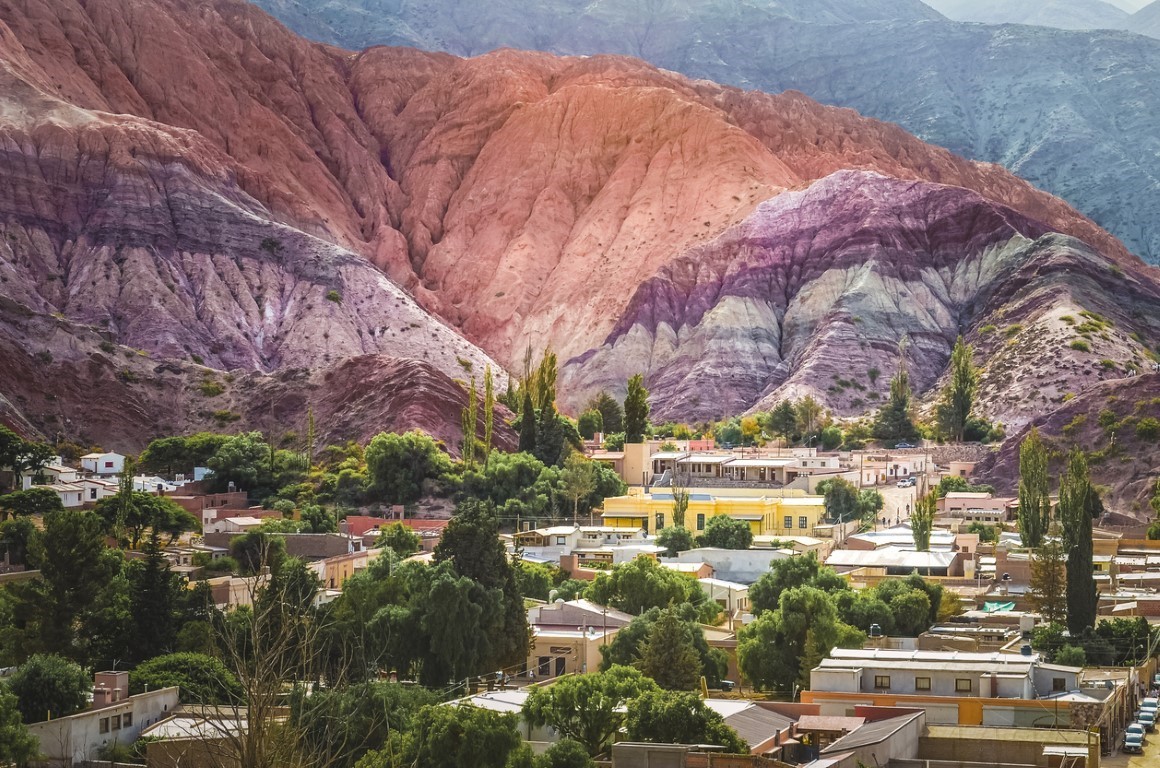
Medical tourism to Argentina is increasing, due to that country’sgrowing reputation as a preferred health and medical destination.Argentina now welcomes visitors from around the world, seeking remedies for a range of medical needs and for cosmetic surgery.Argentinaoffershigh standards ofcosmetic surgery at much lower prices that many European and US centres. It’s an excellent location to consider for affordable cosmetic surgery.
Why consider Argentina for cosmetic surgery?
Nestled next to Chile to the west, Uruguay, Paraguay, Brazil and Bolivia to the east and north, the Argentine Republic is the second largest country in South America with a population consisting mostly of Spanish and Italian descendents.
The capital, Buenos Aires, is located on the east next to Uruguay and frequently hosts international symposiums on plastic surgery to promote the very latest surgery developments and technology. Like its South American neighbours in Brazil and Venezuela, looking good is very important to the Argentine people and consequently there is no shortage of plastic surgeons. Board certified surgeons generally train and qualify in the US and are fluent in English. Medical technologies are advanced but the prices remain low due to the currency devaluation in 2002. Many cosmetic surgery clinics are located in Buenos Aires, a city with an artistic European influence, stunning architecture and warm and friendly locals known as ‘porteos’ – literally people of the port.
Medical centres in Argentina are equipped with the latest American and European technology and Argentina has one of the highest medical standards in South America. A medical tourist package for nose surgery (rhinoplasty) including eight to ten nights’ hotel accommodation cancost just 1,600. Substantial savings are also made in your day-to-day expenditures such as public transport, dining out and shopping, which are also extremely reasonable.
Most patients choose to do their exploring and travelling pre-surgery so that they can rest and recuperate afterwards.
Reasons to choose Argentina
Highest medical standards in South America
Strong and growing healthcare tourism market
Popular destination for low cost cosmetic surgery
The second largest country in South America
Famous for sultry tango dancing and succulent steaks
Home of the spectacular Iguaz waterfalls
Cosmetic surgeons and doctors in Argentina: Accreditation and Training
Argentine medicine is renowned all over the world and physicians undergo a long and strict training which extends beyond graduation. In order to practice newly graduated physicians must pass an exam to entitle them to a two-year internship in public hospitals offering free medical assistance to those who cannot afford private clinics. In addition, physicians must carry out academic work and are awarded their credentials by the association or medical college of their specialization. These credentials are renewed periodically and guarantee that the professional keeps him/herself up to date with new methodologies and technologies.
Individual surgeons must have a national medical licence in order to operate and professional bodies/organizations includeThe Argentinean Plastic Surgery Society(SACPER), which is affiliated to theMedical Association of Argentina(AMA) and helps with the continuous improvements and development of plastic surgeons in Argentina. Plastic surgery in Ibero American countries is ruled by a common code of ethics and all plastic surgery boards affiliated to theIbero-latinamerican federation of Plastic Surgery(FILACP) must abide by these. (FILAP is the organisation which unites all the plastic surgeon societies and boards in Spanish and Portuguese speaking countries). You can also check the surgeon’s accreditation with organisations such as theInternational Society of Aesthetic Plastic Surgeons(ISAPS), theBuenos Aires Plastic Surgery Society (SCPBA) and the Argentinean Plastic Surgery Society of Aesthetic Plastic Surgery (ASAPS).
Travel and accommodation costs for cosmetic surgery in Argentina
International flights arrive at Buenos AiresEzeiza (Ministro Pistarini) International Airportwhich is located 37 km from the city centre.
There are plenty of taxi touts vying for the tourists’ attention but it is better to either buy a taxi ticket from the private car desk or take the airport bus (the bus company is Manuel Tienda Len) although you should allow up to two hours to get to Plaza San Martin in the centre of town as traffic can be congested.
International car rental firms are available from the airport and if you are hiring a car you can get to the city via the y Teniente General Ricchieri freeway.
The other airport in Buenos Aires, theJorge Newbery(otherwise known as Aeroparque), is the main airport for domestic flights as well as some flights to neighbouring countries, for example flights to Uruguay depart from here. It is located in the north of the city besides Ro de la Plata.
Travelling within the country
Flying is the best option to cover long distance travel within Argentina because of its size, and visitors can purchase an Airpass which allows several discounted journeys within the country, ask about this when buying your international flights. For flying nationally the two main internal airlines areAerolineas ArgentinesandLanchile.
Alternatively, there is a network of comfortable, inexpensive long-distances buses which serve the country; the ‘Comun’ is the cheaper option, the ‘Deferencial’ the better quality bus. Bus travel is very efficient and definitely provides the most economical way to traverse the country as national rail travel is not really done in Argentina (apart from within Buenos Aires where trains serve the suburbs). The long distance buses are safe and comfortable with lots of stops and meals and are equipped with toilets, air conditioning and also a bar. National buses depart from near Retiro station in Buenos Aires.
The usual car rental firms are available from the airports but it is advisable to pre-book your car. Having a car is a great way to really see the country and get off the beaten track but drivers should watch out for pot holes and rocks. The minimum age for car rental is 25 and driving is on the right.Organizations Autmovil(Spanish only website) has some information about driving along with maps. An international driver’s licence is required.
City travel
Getting about in Buenos Aires is safe and relatively easy with a network of buses, taxis, subways, and trains. The subway in Buenos Aires (SUBTE) is a fast and convenient way to get about and the city’s layout is quite straightforward as the roads are set out in a grid system which is easy to follow. Taxis can be called from practically anywhere and are identified as black cars with yellow roofs. Buenos Aires bus station is located at Av. Ramos Mejia 1680 close to Retiro Station (tel 4310-0700). The Argentine people fully rely on public transport to get about so you can count on a comprehensive service, which even covers small villages in the mountains.
Since the collapse of the Peso, the cost of accommodation has dropped but the prices are always higher in Buenos Aires. A room in a top class four star hotel costs from 100, while staying in a three star hotel costs maybe to half that. Smaller pension-style hotels are cheaper still. An accommodation alternative if you are travelling outside the capital is the ‘Estancia’, a home-stay on one of the large farm and cattle ranches located around the country, and a great way to experience the authentic Argentine way of life. Also available in rural areas is the ‘Cabaa’, a self catering cottage which is ideal for groups of two or more.
Argentina is GMT 3 and the official Argentine currency is the Argentinian Peso. ARS7.5 is roughly equivalent to 1.
About Argentina
Argentina is a country on the up, with a thriving economy and over 5 million foreign visitors who come to enjoy its many natural and cultural attractions every year. Infamous for its political struggles and military coups of the mid and late twentieth century, including the rise of Colonel Peron and his wife Eva (made famous in the musical Evita), the country is now much more settled and stable. However there do remain several territorial disputes over areas such as the Falkland Islands, which still create political tensions.
Argentina comprises 33 provinces including part of Tierra del Fuego (an archipelago located in the south) and boasts some of the world’s tallest mountains, deserts, national parks, waterfalls as well as lively cosmopolitan cities like Buenos Aires.Possibly most famous for sultry tango dancing and succulent steaks, Argentina’s latest incarnation is as cosmetic surgery hot spot as it draws visitors from all over the world.
This beautiful country is famous for its beef, with its signature gauchos or cowboys, but these days they have embraced a wide range of high quality cuisine, tempting the tourist revenue with an international standard menu in most major cities. But don’t worry, while the cuisine may be moving with the times, the culture still retains a wonderful old-world flavour, with the tango clubs of Buenos Aires still as sultry and sexy as ever.
The same can be said for much of the capital city with the European influences still clear to see in the architecture and attitudes, creating a real Mediterranean feel to things that many European visitors will find very familiar. Head out of the capital on one of the excellent toll expressways, however, and you’ll find things are rather different, as the original laid back Argentinean culture starts to assert itself.
As the eighth largest country in the world Argentina has over a million square miles to explore, and with such size come huge contrasts. Argentina includes everything from tropical rainforest to frozen glaciers, with climates ranging from sub-tropical to sub-polar. Although much of the country is comfortably temperate, some places can be a little hot in the summer months.
Highlights include the breathtaking Iguazu Falls, on the border with Brazil, where 1.7 million gallons of water pass over the 900 ft wide waterfalls every second. The wineries of Mendoza, home to the Malbec grape, are also well worth a visit. Argentina is in fact the world’s fourth largest wine producer so it is no surprise that steak and red wine is considered the national dish. Try Parillas mixta (mixed grill) or an Asado (an outdoor BBQ) then if you feel game enough sample the celebrated local daily drink the Mate (pronounced mattay) – a bitter green tea brewed from the yerba plant from the north east and drunk communally through a straw!
Head south to Patagonia and you’ll discover an altogether different way of life, as colourful indigenous people farm their sheep and llamas in this remote and often freezing wilderness. That said, Patagonia has recently embraced tourism, opening up the beauty of areas such as the Argentine Lake District and the penguin covered beaches of the far south coast.
Spanish is the official language but in the tourist areas people speak English, Portuguese, French or Italian. The climate is subtropical in the northeast, temperate in the central region, arid and semi-arid and cold in the south and along the mountains. Buenos Aires has a mild and pleasant temperature and the best time to visit is the spring or autumn when the weather is sunny and mild. The seasons are in total polarity with Europe so winter takes place from June to August and summer from December to March. In general, the summer is the best time to visit Patagonia and the Southern Andes because of the mild temperatures and long days. Wintertime is recommended for travelling to the North and Northwest as rains are less frequent and tropical temperatures drop a few degrees.
Argentina is as diverse and exciting as you want to makes it. So whether you want a familiar city break in Buenos Aires, bathed in culture, or a fascinating tour exploring the vast countryside, you’re sure to find something to satisfy you.
| Treatment | Average Price |
|---|---|
| Donor insemination (DI) | £1,185 Get a Quote |
| Egg donation | £4,700 Get a Quote |
| Egg freezing | £1,977 Get a Quote |
| In vitro fertilisation (IVF) | £3,540 Get a Quote |
| Intrauterine insemination (IUI) | £395 Get a Quote |
Clear, practical advice on costs, options, safety and how to choose. Start with the essentials, then dive deeper.
Read the guide