

Treatment abroad: Philippines
Why choose Philippines for medical tourism?
The Philippines is a burgeoning destination for medical tourism, offering top-notch healthcare services in fields such as cosmetic surgery, dentistry, and wellness retreats, all set against the backdrop of its stunning natural landscapes and warm hospitality.
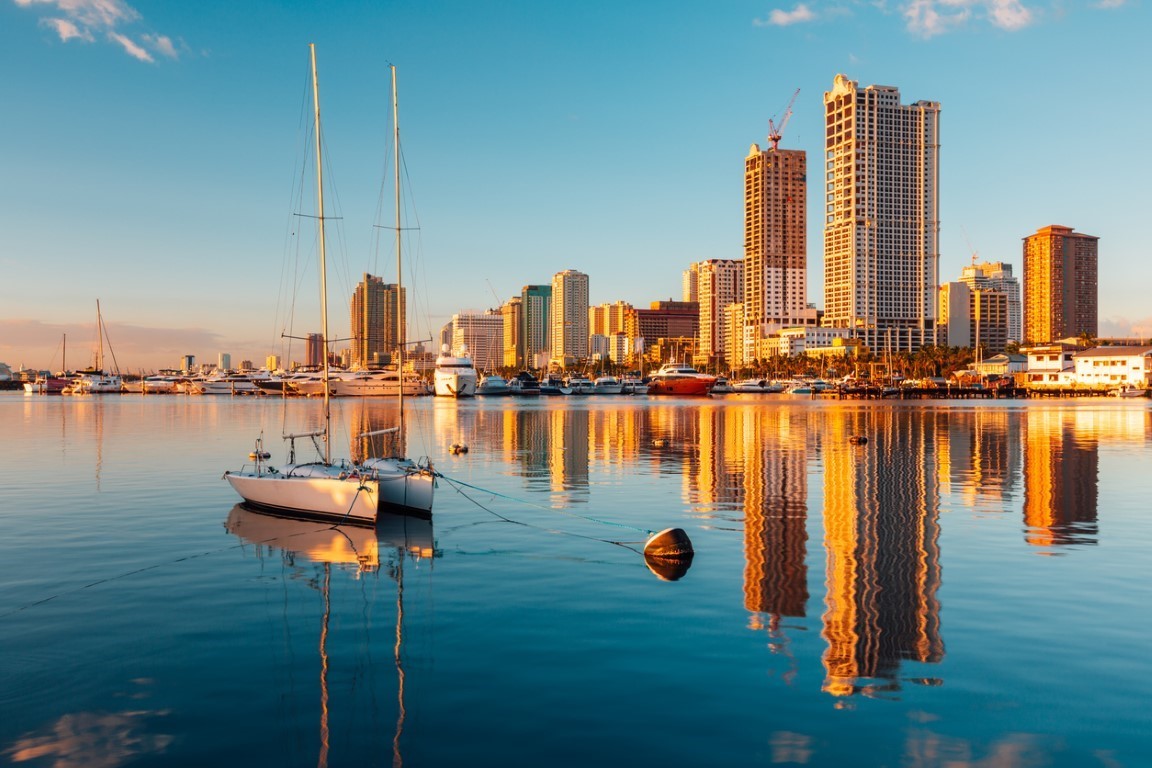
A wonderful location, exotic and restful, combined with an extremely caring approach from the Filipinos, makes The Philippines high on the wish list of many people considering medical tourism. This beautiful country has its sights set on becoming the premier destination for medical tourists worldwide and it seems well on the way to achieving that goal.
Why consider The Philippines for medical tourism?
There are lots of reasons to choose The Philippines for medical tourism, not least of which is the Filipinos themselves. Many hospitals across Europe and in the United States employ Filipino nurses because of their instinctive caring nature and their services are in great demand across the globe. There is something very special about the manner in which they look after others that goes way beyond the standard nurse/patient relationship. Tenderness and caring are part of the Filipino psyche, and they do it better than anyone else in the world. The same can be said of the doctors, whose warm, reassuring bedside manner leaves many European and American doctors looking rather inadequate at times.
Of course, not all Filipino medical practitioners have been tempted abroad. Many have stayed to become part of a healthcare system that aims to become the number one medical tourist destination in the world. Huge sums of money have been spent creating world class facilities to attract visitors, with the government backed Philippine Medical Tourism Program supporting the creation of the very finest hospitals and clinics.
These superb facilities are staffed by doctors who have trained to the very highest standards. More often than not this training takes place in the United States, with doctors returning each year to update their skills and learn the very latest techniques and technology.
Yet, thanks to very favorable exchange rates, and a low local cost of living, you can often find these very high standards of treatment for a fraction of the cost of treatment in the west. In many cases, you can enjoy a luxury holiday in a paradise location, and have the treatment you need, for as little as 20% of the cost of just having the treatment alone in your home country.
For many people, the fact that English is widely spoken is also a big plus. When you are putting your health, and possibly even your life, in the hands of an overseas surgeon, it is always reassuring to be able to communicate with them clearly and easily, so that you understand exactly what is going on. While many Asian nations offer low cost medical treatment for foreign visitors, few offer the added bonus of a fully English speaking staff like you will find in The Philippines.
So, why choose The Philippines? With some of the finest medical facilities in the world, in a glorious location, for a fraction of the cost, perhaps the question should really be why wouldn’t you?
Reasons to choose Philippines
World class medical facilities
English speaking and multi-lingual staff
Exceptional, mature medical tourism market
Exotic destination for a healthcare holiday
Fascinating country of over 7,000 islands
Warm, colourful welcome everywhere you go
The healthcare system in The Philippines
As the world’s 12th most populous country, The Philippines faces a significant task in providing healthcare to its people, especially when they live in such a diverse area, spread across mountainous regions and over 7,000 islands.
Nonetheless, they have achieved a great deal in providing a good quality of care both in public health and private hospitals, with around 40% of hospitals government run and 60% run by the private sector. Under either system you will find well trained staff, with many doctors training overseas, especially in America. The main difference between public and private hospitals tends to be the standard of equipment and technology available, with only the private hospitals able to provide the most expensive treatments and techniques.
Most Filipinos will play the system, taking free advice from the government run hospitals before deciding whether to try and find the money for private treatment. That said, with a large gap between the wealthiest and the least wealthy, private treatment isn’t always an option. What’s more, with the population growing rapidly, and government health spending shrinking, the amount spent per head on healthcare has fallen sharply.
Private healthcare, particularly for medical tourism, is a growing market, as The Philippines consciously positions itself as the world’s number one medical tourism destination. This has meant the creation of world class facilities boasting cutting edge equipment and state of the art techniques. It has also meant a greater retention of well-qualified Filipino doctors and nurses who may otherwise have gone abroad to work. Today, The Philippines claims to have some of the very best hospitals and stand alone specialist clinics in the world, achieving global standards of healthcare at a fraction of the price.
Beyond your actual treatment, The Philippines offers much for the medical tourist in the way of rest and recuperation, with an extra week in a beach resort easily affordable with the savings you have made on your operation or procedure. Where better to recover from your treatment than on a paradise beach with gentle lapping waves and friendly attentive service from the locals?
The Philippines: Travel and accommodation
When a nation is spread across over 7,000 islands, with a mountainous interior, travel is always going to present something of a challenge and that is never more true than in The Philippines. In many ways, The Philippines is a modern country with high quality facilities in the cities, yet away from the main centres, less than 20% of the 125,000 miles of roads are paved and local transport is patchy at best.
In Manila there is a thriving local transport system, with the Manila Metro and the Light Railway, taxis, Jeepneys and the iconic tricycles, both pedaled and powered, ferrying around the thronging masses. There are also air conditioned commuter ferries along the main river through the city.
There are many regular ferries and tourist boats that operate between the islands. Some of these have been brought together as part of the Strong Republic Nautical Highway, a route stretching over 570 miles, which combines roads and ferries to link 17 cities.
By air, The Philippines are a serious long-haul flight from either Europe or the US, with London and Paris around 14 hours and 6,700 miles away and New York even further at 18 hours and 8,600 miles. The main airport is in Manila, Ninoy Aquino International, which is one of around 85 public and a further 110 private airports across the nation. Seaplanes are also a popular way to fly, especially to the smaller islands.
Accommodation is of the quality you would expect from a top international tourist destination, with smart hotels in the main cities and dedicated resort developments on the main tourist islands. Befitting their idyllic location, many islands have eschewed large hotels and instead opted for smaller private villas and bungalows, or even over-water bungalows, set within exclusive developments. Wherever you stay, you will enjoy the same outstanding levels of hospitality and the same smiling warm welcome that has made The Philippines such a popular destination.
The Philippines: About the country
The Philippines has a reputation as the friendliest country in the world, and it cannot be denied that the Filipinos are hospitable to a fault. Quite remarkable when you consider the turbulent history that has created this island race. Colonised by the Spanish from 1512, it took three and a half centuries and three hundred rebellions to win their freedom, only to be colonised once again by the United States. Yet it was this later colonisation that has put The Philippines at the forefront of the tourist world, because it means that almost all Filipinos speak fluent English.
The Philippines comprises over 7,000 islands, with beaches that go beyond your wildest dreams. Powdery pure white sand, crystal clear seas and palm lined shores make those idealistic holiday brochure shots a reality almost everywhere you go. Add in virtually nonstop sunshine, balmy temperatures and stunning clear blue skies, and you really do have paradise.
No wonder that the Filipinos are such happy, content people. Their smiles will live with you long after you have left, and their warm, welcoming hospitality will change you forever. Combining the influences of their Malay neighbours, with the strong family values of their Asian trading partners and the clean living Christianity of their Spanish conquerors, the Filipinos are unique in their outlook and their approach to life. And remember, that friendly welcome will generally be offered in English, making Westerners feel even more at home.
The list of highlights in The Philippines is endless. Try the ‘finest beach in the world’ on Boracay, around 250 miles south of the capital Manila, or explore the hundreds of caves on Bohol. Discover the tropical rainforests of Palawan, or dive amongst the historic shipwrecks off the coast of Subic, including a Spanish gunboat and the USS New York. With 7,107 islands to choose from, you’ll never be short of things to do.
Wherever you go, make sure you take time to stop off in Manila, the capital of this incredible country. Manila is a melting pot of influences, from Spanish and Chinese, to Arab and American, and there is simply nowhere like it in the world. Busy, dusty and packed with people, it is vibrant, exciting and full of life.
With a country so safe, friendly and unbelievably beautiful, you can’t help thinking that the reason that Filipinos are so welcoming to visitors, is that they simply want to show off!
Clear, practical advice on costs, options, safety and how to choose. Start with the essentials, then dive deeper.
Read the guide